Dental Sealants
The problem with molars
Run your tongue over your back teeth and you will feel the issue. Molars are covered in deep pits and grooves
that are perfect for grinding food and equally perfect for trapping it. The bristles of a toothbrush are
physically too wide to reach the bottom of those grooves, which means bacteria can set up shop somewhere
your best brushing simply cannot evict them.
This is why the chewing surfaces of molars are where most cavities happen, especially in kids. It is not a
hygiene failure. It is geometry. And the fix for a geometry problem is not more scrubbing, it is changing the
surface itself.
Dental Sealants
How sealants solve it
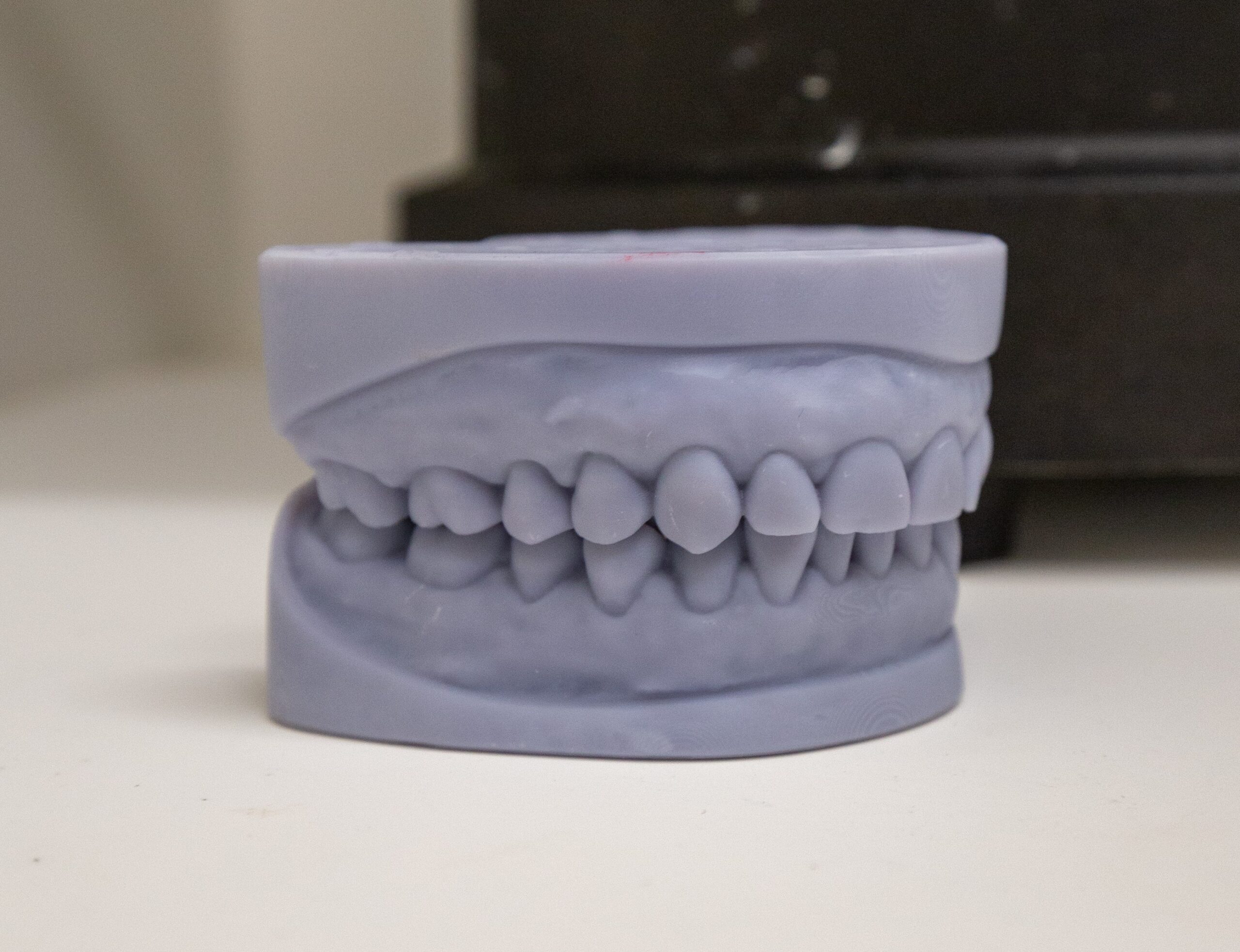
A sealant is a thin protective coating flowed into those grooves, filling them so food and bacteria have
nowhere to hide. Once it is in place, the chewing surface becomes smooth and easy to clean. The seal acts as
a physical barrier between your enamel and everything that causes decay, and studies show sealants
dramatically reduce cavities in the teeth that get them.
They hold up remarkably well too. Sealants typically protect for several years, and we check them at every
regular visit and touch them up if needed. For the cost of one small preventive step, a tooth can be defended
through its most cavity prone years.
Dental Sealants
Quick, painless, and done in one visit
Getting sealants might be the easiest appointment in dentistry. We clean the tooth, prepare the surface with
a gentle conditioning gel, flow the sealant into the grooves, and cure it with a light. There is no drilling, no
numbing, and nothing to feel beyond a few minutes of holding still. Each tooth takes only a couple of minutes.
For kids, this is often the visit that convinces them the dentist is no big deal, which is worth almost as much as
the sealant itself. We time sealants around when molars come in, usually around age six and again around age
twelve, so new teeth get protected right from the start.

Dental Sealants
Adults, this includes you
Sealants got their reputation in pediatric dentistry, but there is nothing about the science that stops working
on your eighteenth birthday. If Dr. Salinas sees deep grooves in your molars and a history of cavities on
chewing surfaces, sealants may be a smart, inexpensive layer of protection for you as well.
It is a quick conversation at your next exam. We look at your history, look at your teeth, and give you an
honest answer about whether sealants would earn their keep in your mouth. Call (512) 646-4420 or book
online to get started.
FREQUENTLY ASKED QUESTIONS
Common Questions About Sedation Dentistry
The ideal windows are when the first permanent molars arrive around age six and when the second molars
arrive around age twelve. Sealing teeth soon after they erupt protects them before decay gets a chance to
start.
Usually several years, often longer. We check them at every visit and can repair or reapply a sealant easily if it
wears.
Not at all. There is no drilling and no needle. Most kids describe it as the dentist painting their teeth, which is
honestly a fair description.
Related services
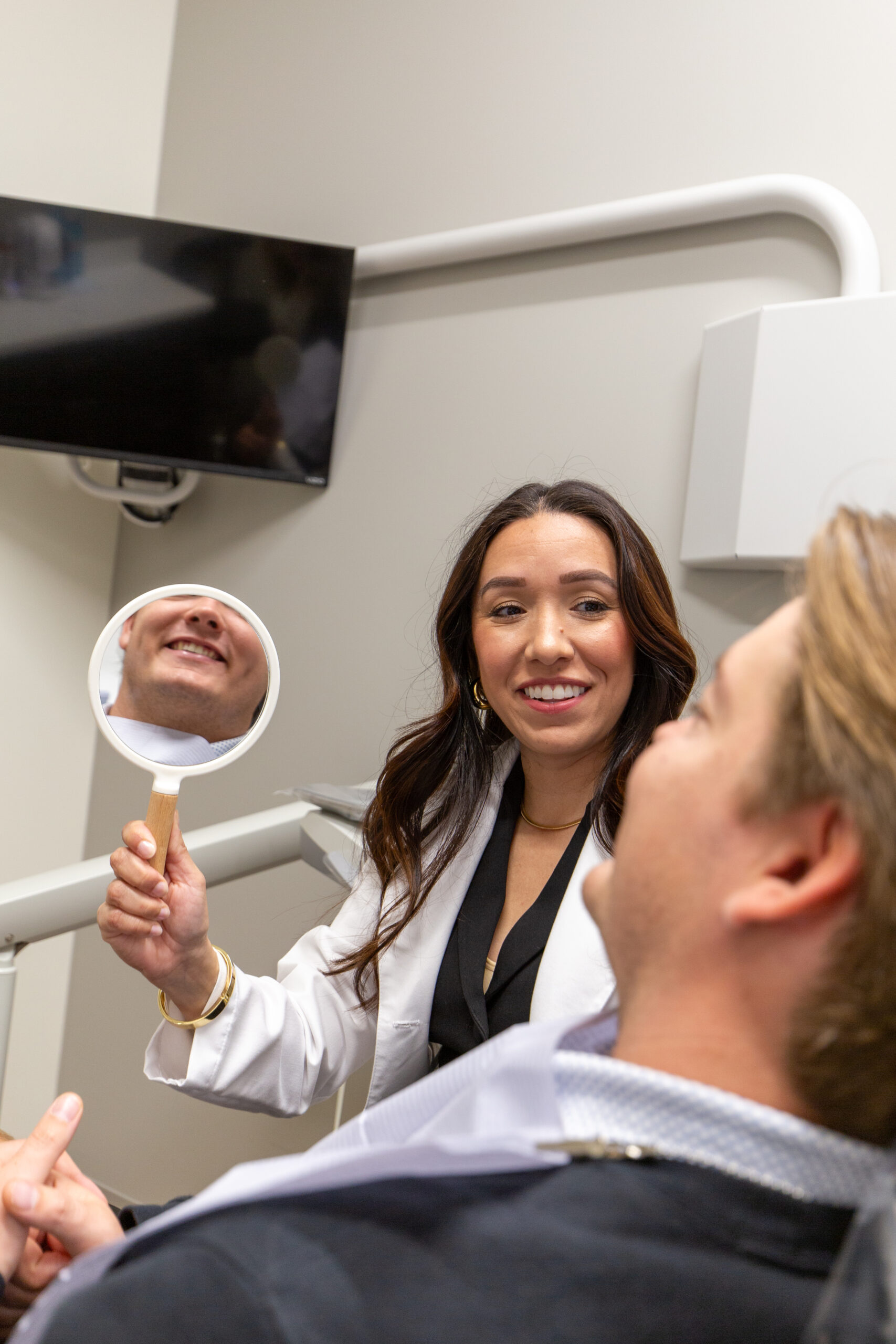

Preventive Dentistry
Thorough exams, gentle cleanings, digital X-rays, and periodontal care that keep
small problems from ever becoming big ones.
Fluoride Treatments
Some of the best things we do in this office are also the least dramatic. A fluoride treatment takes about a minute.
Pediatric Dentistry
Kid-friendly checkups, cleanings, and gentle treatment that help children build
healthy habits and love (not fear) the dentist.
Ready to schedule?
Visit Our Office — 512ooth Family Dentistry, 8701 W State Hwy 71 #102, Austin, TX 78735.