Restorative Dentistry

At our dental clinic, we provide comprehensive Restorative Dentistry services designed to repair damaged teeth, restore function, and enhance your smile. Whether you’re dealing with tooth decay, cracked teeth, or missing teeth, our advanced treatments help you regain comfort, confidence, and long-term oral health.

What Is Restorative Dentistry?

Restorative dental treatments not only improve the appearance of your smile but also protect your overall dental structure. By restoring damaged or missing teeth early, you can prevent further complications and maintain a healthy bite.

Benefits of Restorative Dentistry:

Fillings

Dental fillings are a common dental procedure used to treat cavities or tooth decay. They involve removing the decayed portion of the tooth and filling the space with a material to restore the tooth’s shape and function. The most common materials used for dental fillings are composite resin (a tooth-colored material), gold, and porcelain. The choice of filling material depends on factors such as the location and extent of the decay, cost, and personal preference.

Dental Crowns

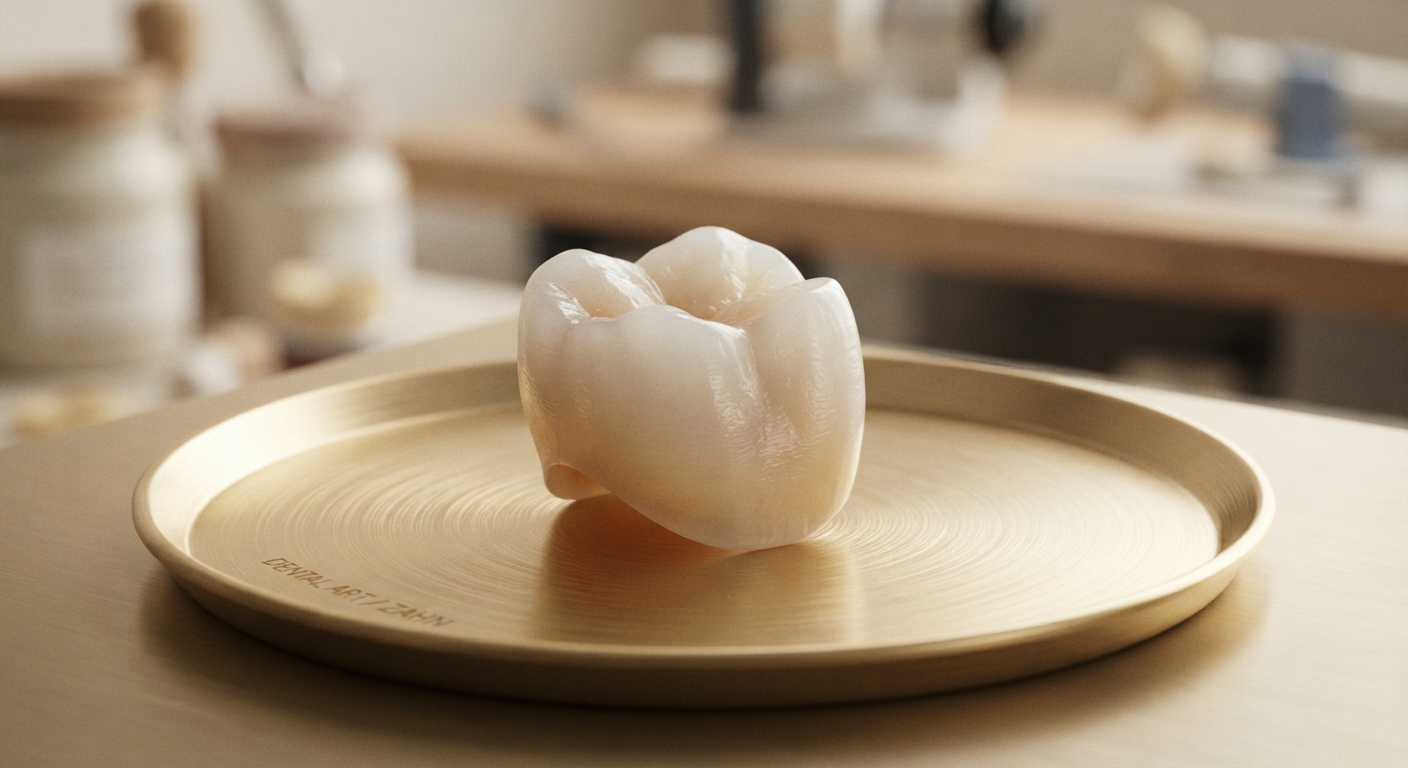
A dental crown, also known as a dental cap, is a type of dental restoration that completely covers a damaged tooth or implant. It is typically made of porcelain, ceramic, or metal and is used to restore the shape, size, strength, and appearance of a tooth. Dental crowns are often recommended for teeth that are severely decayed, cracked, or weakened, or for teeth that have undergone root canal treatment. The procedure involves removing a portion of the tooth’s outer structure to create space for the crown, taking impressions or digital scans of the tooth, and then placing a temporary crown while the permanent crown is being fabricated in a dental laboratory. Once the permanent crown is ready, it is cemented onto the tooth using dental adhesive. Dental crowns can last for many years with proper care and oral hygiene.

Dental Implants

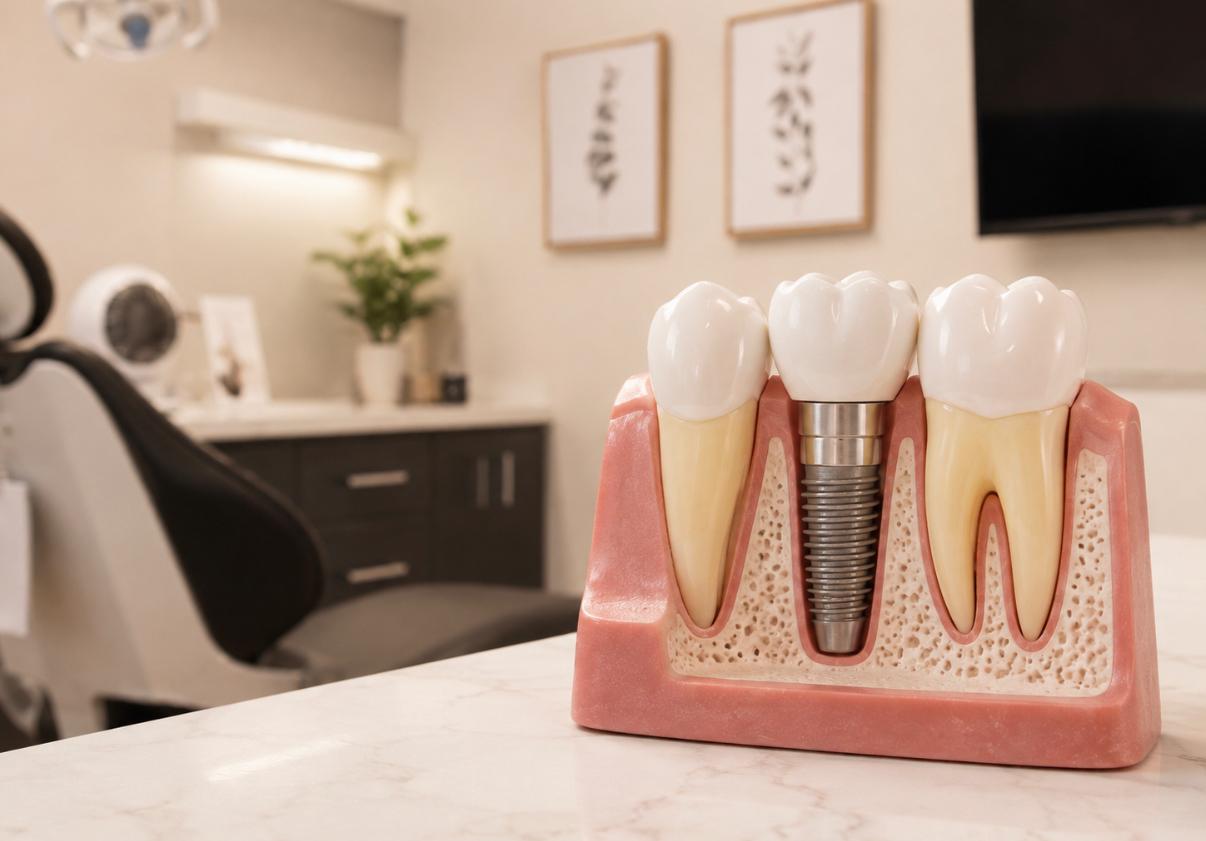
Dental implants are artificial tooth roots that are placed into the jawbone to support a replacement tooth or bridge. They are typically made of titanium and are surgically placed into the jawbone. Once the implant is in place, a crown or bridge can be attached to it, providing a natural-looking and functional tooth replacement. Dental implants are a popular option for people who have lost one or more teeth due to injury, decay, or other reasons. They offer a long-lasting solution that can improve both the appearance and function of the mouth.

Dentures

Dentures are a removable, affordable solution that can complete your smile after missing one or all of your natural teeth. To ensure a natural look and feel, most dentures are made of a combination of acrylic and metal and are custom-crafted for a comfortable fit. Looking to see if dentures are right for you? Schedule a consultation to find out if a set of full or partial dentures can restore your bite. It’s about time you got back to living your life with a smile.

Root Canal Therapy

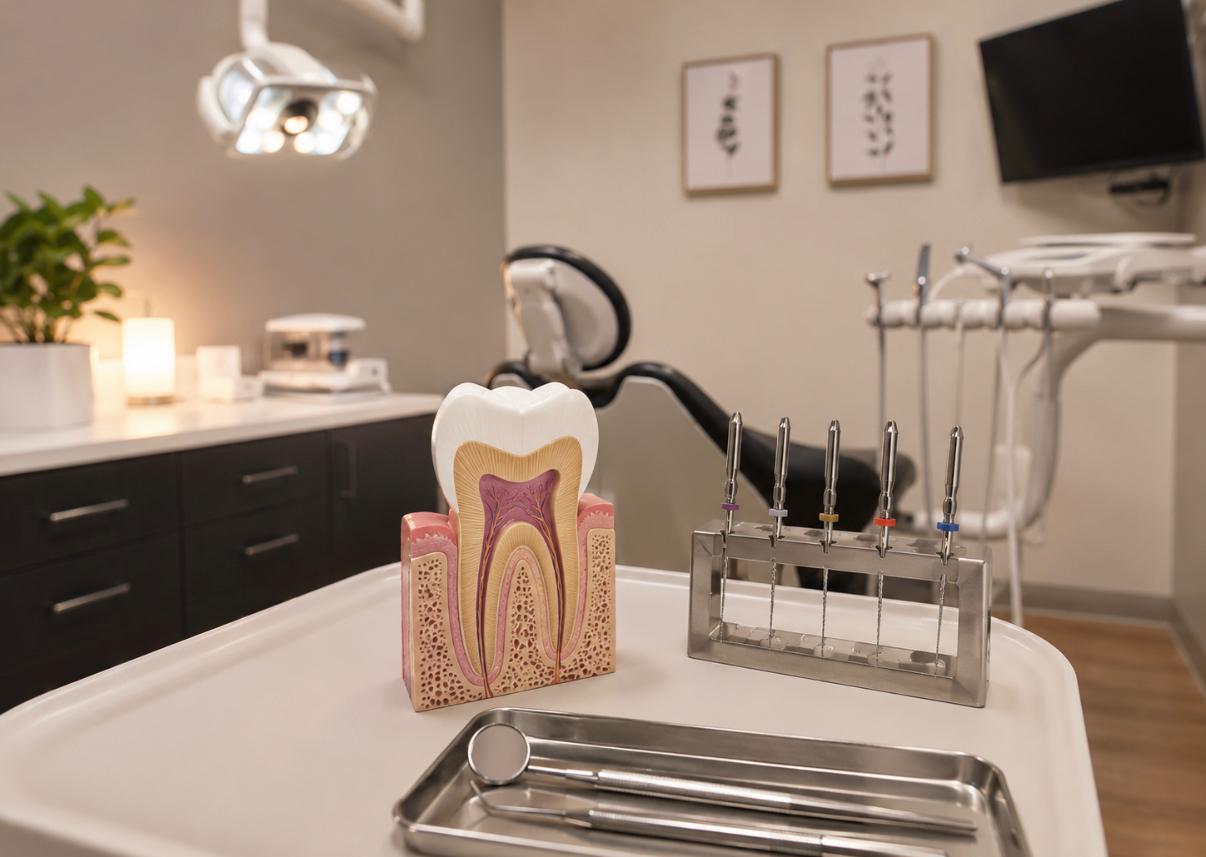
A root canal is a dental procedure that is performed to treat an infected or damaged tooth due to extensive decay or fracture. During a root canal, the dentist removes the infected pulp from the tooth and cleans the inside of the tooth before sealing it with a filling or crown. This procedure is done to save the tooth from extraction and alleviate pain or discomfort.

Extractions

Extractions are always our last option — saving your smile is our number one priority. However, a problematic tooth is sometimes more trouble than it’s worth. Your doctor may recommend an extraction as the best way to get your oral health back on the right path. With gentle techniques, and local anesthesia or sedation, decaying teeth can be removed to alleviate your discomfort or to make room for dental implants, a bridge, or another type of tooth replacement. It can also be done to remove impacted wisdom teeth or to create space for orthodontic treatment.

FREQUENTLY ASKED QUESTIONS

Common Questions About Preventive Dentistry

You may need restorative dentistry if you have tooth decay, cracked or broken teeth, missing teeth, worn enamel, or persistent tooth pain. A dental exam and digital X-rays help determine the best treatment option.

Most restorative treatments are performed using modern techniques and local anesthesia to ensure minimal discomfort. Our goal is to provide comfortable and stress-free dental care.

With proper oral hygiene and regular dental checkups, fillings can last many years, while crowns may last 10–15 years or longer depending on care and materials used.

A dental filling repairs small areas of decay, while a dental crown covers and protects a severely damaged or weakened tooth to restore its shape, size, and strength.

Yes. Many restorative treatments, such as tooth-colored fillings, crowns, and dental implants, are designed to look natural while improving both function and aesthetics.

Maintain good oral hygiene by brushing twice daily, flossing regularly, and scheduling routine dental visits. Avoid hard foods and habits like teeth grinding to extend the lifespan of your restorations.

Many dental insurance plans cover part of restorative procedures. Coverage depends on your specific plan and the type of treatment required.

You can contact our dental office to book a comprehensive exam and consultation. Our team will create a personalized treatment plan to restore your oral health and confidence.

Our skilled dentists, hygienists, and support staff provide personalized dental care, advanced treatments, and a comfortable patient experience to help you achieve a healthy, confident smile.

Why Choose 512ooth Family Dentistry

At 512ooth Family Dentistry, your smile and comfort are our top priorities. We go above and beyond to deliver exceptional dental care in a friendly, compassionate environment — tailored to patients of all ages. Here’s what makes us the preferred choice for families seeking quality dental services:

We treat every patient like family. From your first visit to ongoing routine care, we take the time to listen, understand your needs, and create customized treatment plans that fit your goals, lifestyle, and budget.

Our team consists of highly trained dentists and dental specialists with years of experience in general, cosmetic, and restorative dentistry. You can trust that you’re receiving care backed by expertise and the latest industry standards.

We understand that dental anxiety is real. That’s why we offer advanced sedation options — including oral sedation, laughing gas, IV sedation, and general anesthesia — to help you feel calm and relaxed during your visit.

Whether you need a child’s dental checkup, restorative treatments like crowns and implants, or cosmetic enhancements like whitening and veneers — we provide a full range of services under one roof. No need to visit multiple specialists.

We work with your busy schedule. Early morning, late afternoon, and weekend appointment options are available so you can get the care you need without disrupting your routine.

Many of our new patients are referred by satisfied families who trust us with their dental health — a testament to the quality care and service we provide.

Our Services

You and your family can take advantage of a full range of dental services here at 512ooth Family Dentistry. During each visit, you will be treated by trained professionals who will provide top quality care to prevent dental problems and treat current conditions.

We are always ready to help you

What Is Restorative Dentistry?

Restorative dental treatments not only improve the appearance of your smile but also protect your overall dental structure. By restoring damaged or missing teeth early, you can prevent further complications and maintain a healthy bite.

Benefits of Restorative Dentistry:

Our Restorative Dentistry Services

We offer a full range of restorative dental procedures, including:

Fillings

Dental fillings are a common dental procedure used to treat cavities or tooth decay. They involve removing the decayed portion of the tooth and filling the space with a material to restore the tooth’s shape and function. The most common materials used for dental fillings are composite resin (a tooth-colored material), gold, and porcelain. The choice of filling material depends on factors such as the location and extent of the decay, cost, and personal preference.

Extractions

Extractions are always our last option — saving your smile is our number one priority. However, a problematic tooth is sometimes more trouble than it’s worth. Your doctor may recommend an extraction as the best way to get your oral health back on the right path. With gentle techniques, and local anesthesia or sedation, decaying teeth can be removed to alleviate your discomfort or to make room for dental implants, a bridge, or another type of tooth replacement. It can also be done to remove impacted wisdom teeth or to create space for orthodontic treatment.

Dental Implants

Dental implants are artificial tooth roots that are placed into the jawbone to support a replacement tooth or bridge. They are typically made of titanium and are surgically placed into the jawbone. Once the implant is in place, a crown or bridge can be attached to it, providing a natural-looking and functional tooth replacement. Dental implants are a popular option for people who have lost one or more teeth due to injury, decay, or other reasons. They offer a long-lasting solution that can improve both the appearance and function of the mouth.

Dentures

Dentures are a removable, affordable solution that can complete your smile after missing one or all of your natural teeth. To ensure a natural look and feel, most dentures are made of a combination of acrylic and metal and are custom-crafted for a comfortable fit. Looking to see if dentures are right for you? Schedule a consultation to find out if a set of full or partial dentures can restore your bite. It’s about time you got back to living your life with a smile.

Root Canal Therapy

A root canal is a dental procedure that is performed to treat an infected or damaged tooth due to extensive decay or fracture. During a root canal, the dentist removes the infected pulp from the tooth and cleans the inside of the tooth before sealing it with a filling or crown. This procedure is done to save the tooth from extraction and alleviate pain or discomfort.

Dental Crowns

A dental crown, also known as a dental cap, is a type of dental restoration that completely covers a damaged tooth or implant. It is typically made of porcelain, ceramic, or metal and is used to restore the shape, size, strength, and appearance of a tooth. Dental crowns are often recommended for teeth that are severely decayed, cracked, or weakened, or for teeth that have undergone root canal treatment. The procedure involves removing a portion of the tooth’s outer structure to create space for the crown, taking impressions or digital scans of the tooth, and then placing a temporary crown while the permanent crown is being fabricated in a dental laboratory. Once the permanent crown is ready, it is cemented onto the tooth using dental adhesive. Dental crowns can last for many years with proper care and oral hygiene.

FREQUENTLY ASKED QUESTIONS

Common Questions About Preventive Dentistry

You may need restorative dentistry if you have tooth decay, cracked or broken teeth, missing teeth, worn enamel, or persistent tooth pain. A dental exam and digital X-rays help determine the best treatment option.
Most restorative treatments are performed using modern techniques and local anesthesia to ensure minimal discomfort. Our goal is to provide comfortable and stress-free dental care.
With proper oral hygiene and regular dental checkups, fillings can last many years, while crowns may last 10–15 years or longer depending on care and materials used.
A dental filling repairs small areas of decay, while a dental crown covers and protects a severely damaged or weakened tooth to restore its shape, size, and strength.
Yes. Many restorative treatments, such as tooth-colored fillings, crowns, and dental implants, are designed to look natural while improving both function and aesthetics.
Maintain good oral hygiene by brushing twice daily, flossing regularly, and scheduling routine dental visits. Avoid hard foods and habits like teeth grinding to extend the lifespan of your restorations.
Many dental insurance plans cover part of restorative procedures. Coverage depends on your specific plan and the type of treatment required.
You can contact our dental office to book a comprehensive exam and consultation. Our team will create a personalized treatment plan to restore your oral health and confidence.

Ready To Get Started?

Ready to get relief from tooth pain? Call us today or schedule your root canal consultation online.